





If you're thinking about jumping into Print on Demand in 2026, here's the real deal from what shops are actually doing right now. No inventory headaches, no big upfront cash—just your designs on stuff like tees or mugs, printed and shipped only when someone buys.
It's a solid fit if you're an artist turning sketches into cash, a YouTuber dropping fan merch, or just testing a side hustle without risk. You handle the creative side and marketing; partners like PrintKK deal with the rest.
The payoff comes quick if you pick a niche you're into, like breed-specific dog gear or nurse humor that hits home. Start small, track what sells in a week, tweak fast. This setup lets you build something real that scales with effort. Ready to make it happen? Let's break it down step by step.
What Is a Print on Demand Business?
A Print on Demand (POD) business is an online sales model where products are only made after a customer places an order, so there's no need to keep inventory on hand.
Sellers upload their designs to a POD platform, and the service takes care of printing, packaging, and shipping once a purchase is made.
This approach lets you focus on designing and marketing products while the POD provider handles production and fulfillment.
With no upfront inventory costs, it's a low-risk option for artists, entrepreneurs, and creators looking to turn their ideas into a business.
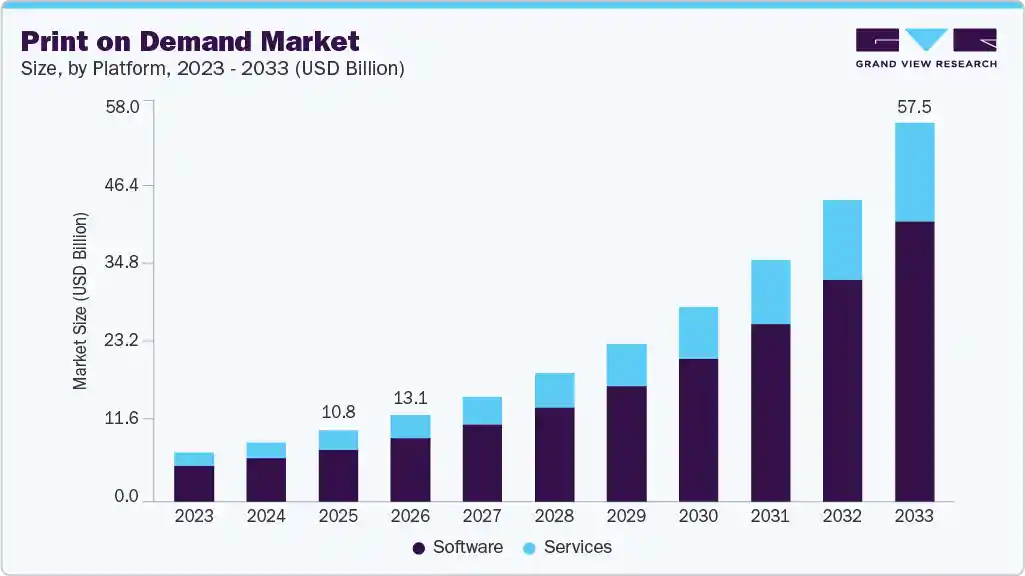
Typical POD items include apparel, phone cases, mugs and home decor. The model has been gaining momentum worldwide—the global POD market is expected to grow steadily, projected to reach $57.49 billion by 2033—making it an increasingly attractive opportunity for anyone looking to sell customized products online.
Pros and Cons of a Print on Demand Business
Pros | Cons |
Low Initial Investment | Lower Profit Margins |
Minimal startup costs with third-party providers handling production and shipping. | Higher per-item production costs lead to slimmer profit margins. |
Flexibility in Product Offerings | Limited Quality Control |
Freedom to experiment with designs and products without financial risk. | Less control over product quality and delivery times. |
Time-Efficient Operations | Intense Competition |
Automated order fulfillment allows focus on design and marketing. | Market saturation makes it hard to stand out. |
Global Reach | Dependency on Suppliers |
International shipping without handling logistics. | Business success tied to supplier reliability and efficiency. |
How to Start and Build a Successful Print on Demand Business
Step 1: Decide on a Niche or Product
Choosing the right niche is one of the most important steps in starting a print on demand business. Before designing products, you need to identify your target audience and what they are interested in.
Only when your products resonate with a specific group of people will they be willing to pay for them.
It is recommended to choose a niche you are genuinely interested in. A niche can be based on anything, such as pets, hobbies, or occupational themes.
Examples include quirky t-shirts for dog lovers, custom stationery for artists, or motivational slogans for yoga instructors.
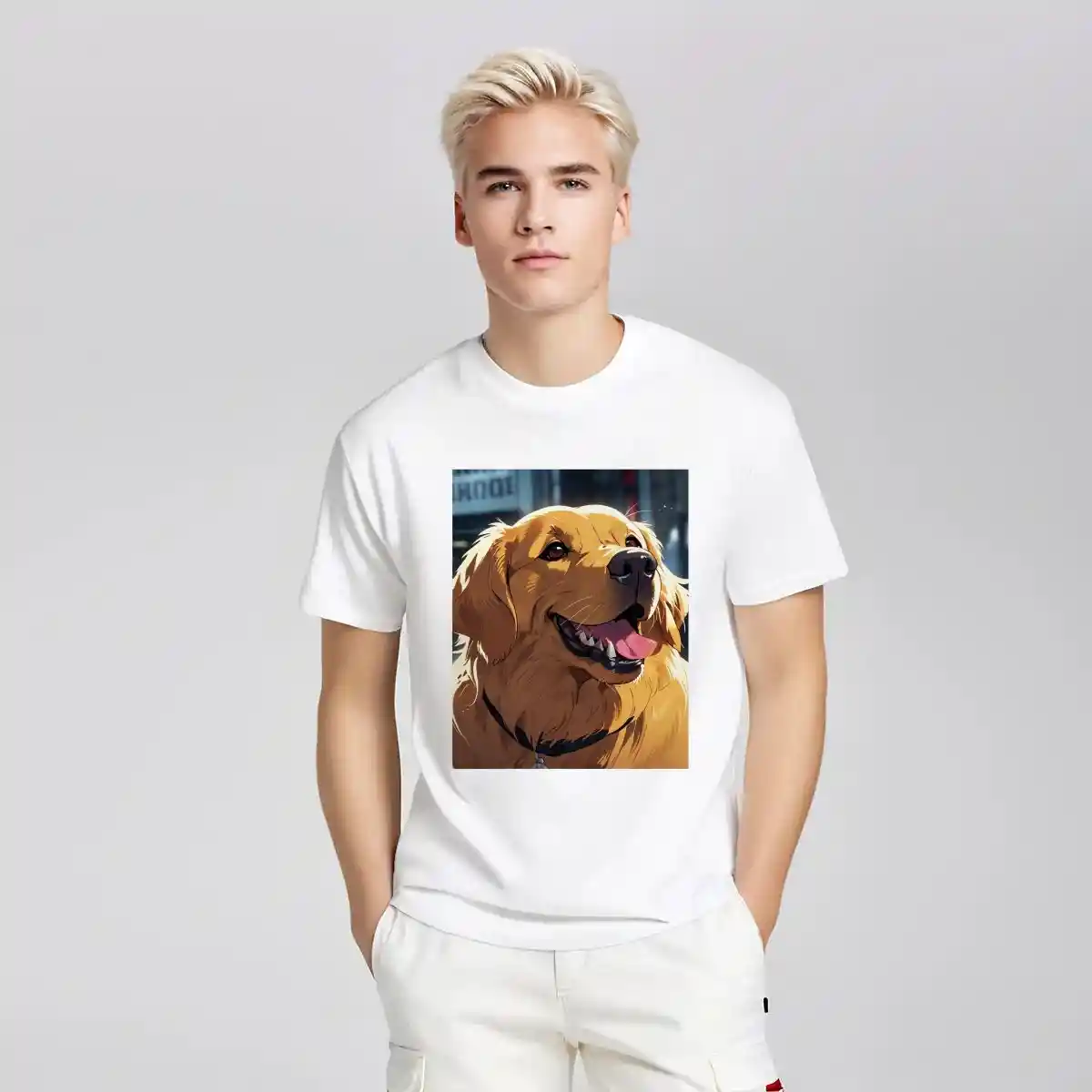
You cannot sell to everyone, but you can sell to people who share the same interests as you. The more specific your niche, the easier it is to attract a loyal audience.
In addition to interest, market demand is critical. Research your niche using Etsy, Amazon, Walmart, Google, or Bing to see what products are popular and what customers are searching for.
Analyze best-selling products, reviews, and comments to understand real customer needs and identify gaps in the market. A successful niche combines personal interest with market demand, allowing you to create consistently appealing products while reducing competition.
Step 2: Research Your Target Market
Understanding your target market is key to success. Conduct market research to see what products are trending, which niches are underserved, and which designs resonate with customers.
Platforms like Etsy, Amazon, and Google Trends provide data on search volume, seasonal trends, and customer preferences.
Study competitors carefully. Look at their best-selling products, customer reviews, and design styles to identify opportunities.
Ask yourself: Which products have high demand but low competition? What design elements make customers engage or purchase?
Use these insights to refine your niche and define your brand audience. The goal is to create products that truly resonate with your customers while avoiding oversaturated markets.

Step 3: Decide Where to Sell
After choosing your niche and researching your market, the next step is to decide where to sell your products. There are two main options: online marketplaces and your own store.
Marketplaces such as Etsy, Amazon, or eBay already have large amounts of traffic. They are suitable for beginners who want quick exposure without spending too much time on website setup. Marketplaces handle technical details, but sellers face platform fees, rules, and limited brand control.
Selling through your own store, most commonly using Shopify or WooCommerce, gives you full control over your brand, pricing, and customer data.
A self-built store allows you to create a long-term brand asset and build repeat customers. However, you are responsible for driving traffic, marketing, and store management.
Many sellers combine both approaches. Marketplaces can be used to test products and validate demand, while a self-built store is for long-term growth and brand building.
Choosing the right selling channel depends on your goals, budget, and desired level of control.
Step 4: Choose Your Print on Demand Supplier
Selecting a reliable print on demand supplier is critical to the success of your business. Popular options include Printify, Printful, and PrintKK, all of which handle printing, packaging, and shipping.
When choosing a supplier, consider:
- Product range – Make sure the supplier offers items that match your niche and audience preferences.
- Pricing – Compare costs and ensure they fit your profit goals.
- Fulfillment time – Fast and consistent shipping improves customer satisfaction.
- Customer support – Responsive support saves time and prevents issues.
- Reputation – Check reviews and testimonials to verify reliability and quality.
It's recommended to order samples before selling to check product quality. Choosing the right supplier lays the foundation for smooth operations and allows your POD business to scale efficiently.
Step 5: Set Up Your Store
Once you have your niche, market insights, and supplier, it's time to set up your print on demand store. Choosing the right platform is crucial for testing products and long-term growth. Popular options include Shopify, WooCommerce, or Etsy.
Customize your store to reflect your brand identity and product offerings. This includes choosing a store name that is memorable, designing a logo that embodies your brand personality, and writing a compelling store description to clearly communicate your mission and value.
Optimize your store for user experience and SEO. Use relevant keywords in product titles, descriptions, and tags to improve search visibility. A well-organized store with clear navigation and professional visuals builds trust and encourages repeat customers.
Step 6: Create Your Designs
Design is at the heart of a successful POD business. Your products must feature unique, high-quality designs that appeal to your target audience. A strong design can make your products stand out in a crowded market and attract loyal customers.
Use tools like Canva, Photoshop, GIMP, or AI software such as MidJourney to create your designs. Some creators prefer manual design for originality, while others use AI-generated visuals to save time and explore more creative possibilities.
Before you push a design to dozens of products, always test a handful first. Upload 5-10 variations—different colors, slight text tweaks, or layout shifts—and watch which ones get favorites, views, or early sales.
Keep in mind that the same graphic can look amazing on a poster but get lost on a phone case or stretch weirdly on a hoodie.
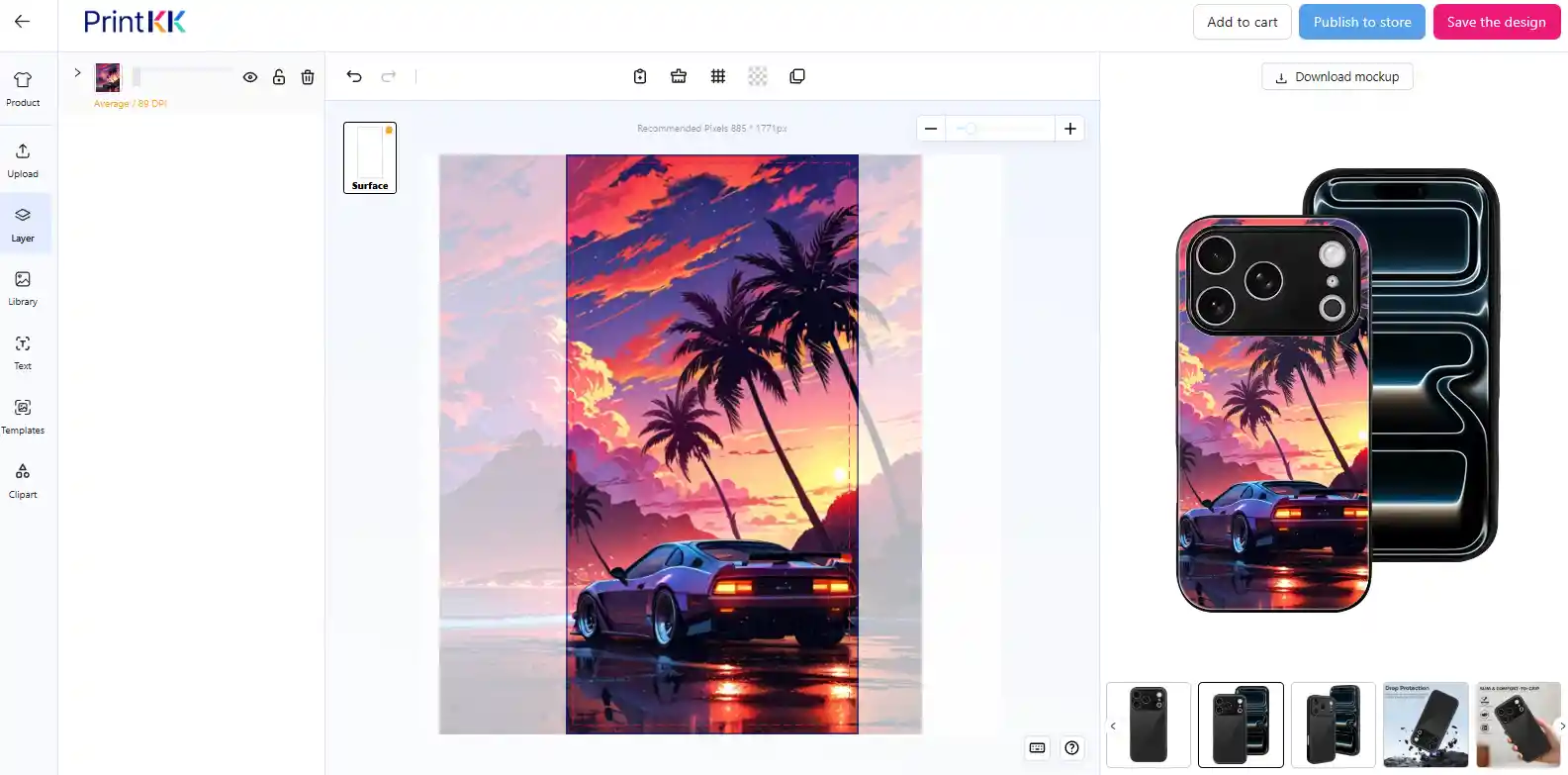
Pay attention to the basics that make designs print sharp: use at least 300 DPI files, place key elements away from seams and edges, and choose colors with strong contrast so they pop on both light and dark fabrics.
Stay fresh by adding new pieces every few weeks. Swap in seasonal twists—like Valentine's hearts or summer beach vibes—or jump on quick trends when they hit. Regular updates keep customers coming back and give your store momentum when demand spikes.
Step 7: Promote Your Products
Marketing is essential to drive traffic and sales for your POD business. A multi-channel approach ensures your products reach the right audience.
Use social media platforms like Instagram, TikTok, and Pinterest to showcase your products and brand story. Create engaging content, such as behind-the-scenes posts, tutorials, or customer stories, to connect with your audience.
Incorporate email marketing to notify subscribers about new designs, promotions, or seasonal collections. Consider paid ads on social media to target specific demographics or interests. Encourage user-generated content, like customer photos or reviews, to build social proof and credibility.
Collaborate with influencers or complementary brands to expand your reach. Regularly analyze marketing data and adjust your strategies to maximize engagement and sales.

Step 8: Fulfillment and Shipping
Even though your POD supplier handles production and shipping, choosing the right options is critical for customer satisfaction.
Consider production locations to reduce shipping times and costs. Offer both local and international shipping depending on your target audience. Ensure timely delivery to maintain a positive shopping experience.
Communicate shipping policies clearly on your store, including estimated delivery times, costs, and return options. Fast and reliable fulfillment builds trust, encourages repeat purchases, and strengthens your brand reputation.
Step 9: Optimize and Scale Your Business
After launching, continuously optimize your POD business to ensure growth. Use sales data and customer feedback to refine products, designs, and marketing strategies.
Expand your product line or explore new niches based on performance and demand. Test seasonal designs, bundles, or loyalty programs to increase average order value and attract repeat customers.
Once your store is profitable, consider opening additional stores, entering new marketplaces, or targeting international audiences. The cycle of testing, optimizing, and scaling ensures long-term success and builds a profitable POD business.
What Print on Demand Products to Sell
Evergreen Best-Sellers
These are the reliable ones that keep selling no matter the season—shops lean on them heavily because they just work.
- T-shirts – The ultimate starter. Go unisex or oversized fits right now. Think funny office humor, hobby-specific jokes like "Golf Dad" or "Plant Mom," or subtle retro band-style designs that don't scream generic.
- Hoodies & Sweatshirts – People pay premium without hesitation for something cozy. Niche examples crushing it: matching family vacation designs, minimalist zodiac motifs, or sarcastic teacher quotes.
- Mugs – Emotional gifts that punch above their weight. Personalized pet names with paw prints, "World's Okayest Brother," or inside-joke couple mugs fly out during holidays and birthdays.
- Posters & Canvas Prints – Home decor gold. Simple typography quotes like "Good Vibes Only" in neutral tones, custom family name signs, or travel map art with marked destinations.
- Tote Bags – Everyday carry that markets itself. Book lover quotes, grocery-run sarcasm like "I'm Just Here for the Snacks," or eco-messages with cute illustrations get constant use and visibility.

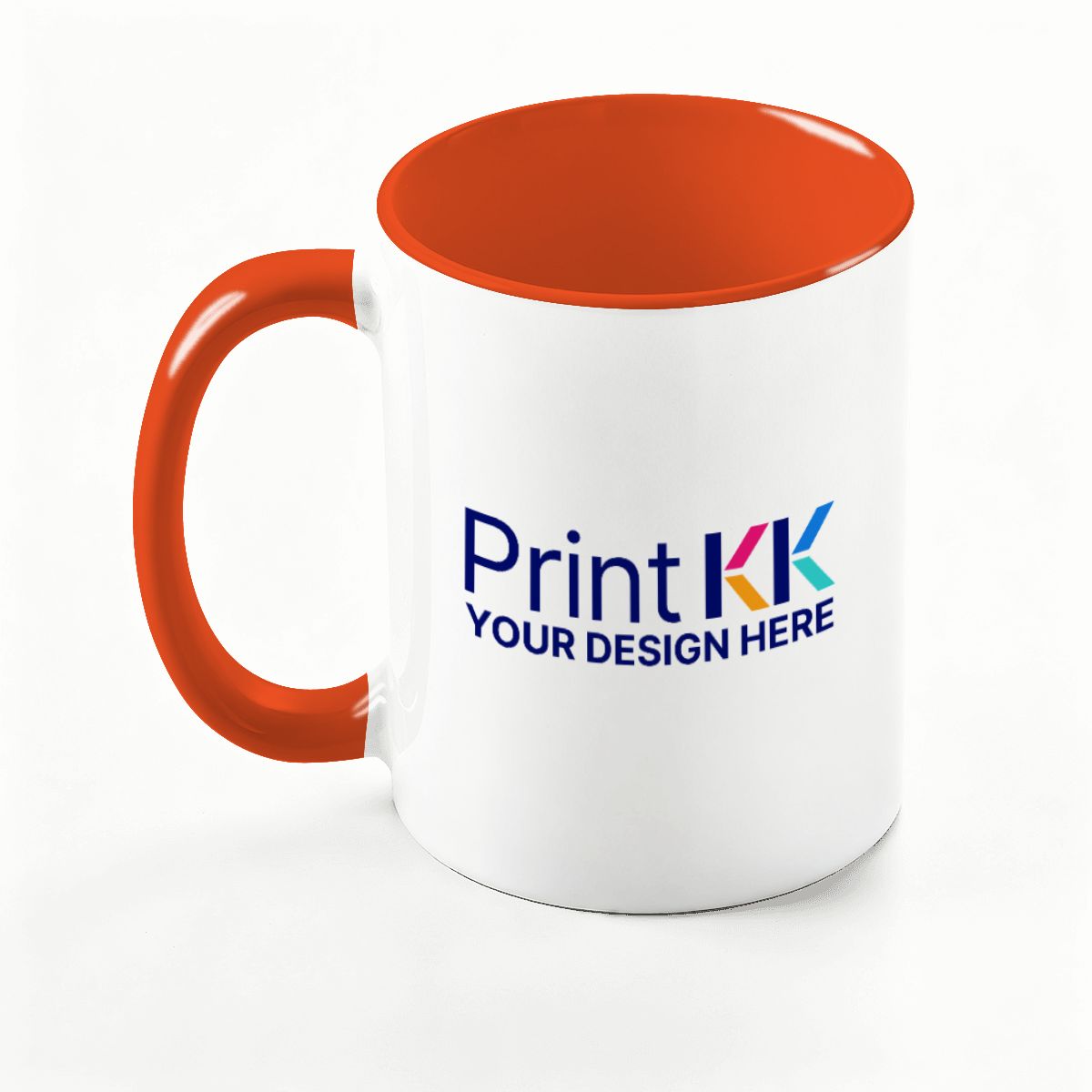
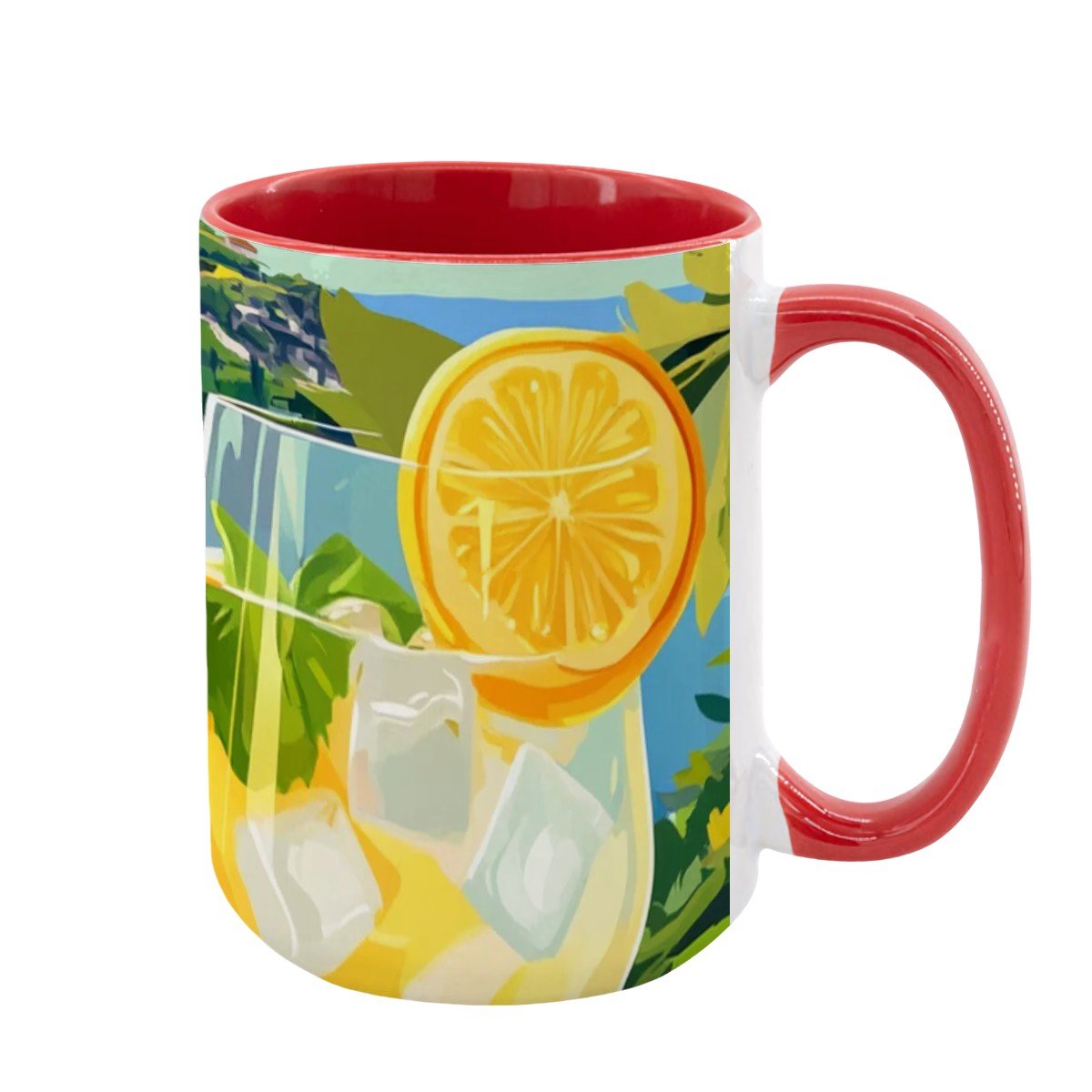
Custom Standard Colorful Coffee Mug (11oz) (Made in USA) - Print-On-Demand - PrintKK
High-Profit & Trending Right Now
These deliver stronger margins or are picking up serious momentum.
- Phone Cases – Jump on new phone launches with trendy finishes (mag-safe compatible). Personalized pet portraits in watercolor style or Y2K aesthetic patterns move fast.
- Stickers – Cheap to make, addictive to buy. Sell packs themed around dungeons & dragons classes, mental health affirmations, or viral meme formats—perfect upsell at checkout.
- Hats (Caps & Beanies) – Embroidery makes them feel custom. Dad-hat styles with niche fishing lures, retro gaming logos, or simple monogram initials sell steadily.
- Pillows & Blankets – Cozy winners. Photo collage blankets for grandparents or throw pillows with song lyrics from a couple's favorite track hit hard emotionally.
- Pet Accessories – Breed-specific anything wins. Golden Retriever bandanas with silly phrases, custom cat name bowls, or "Adopt Don't Shop" designs with rescue vibes.

Custom Washed Denim Mesh Cap (Made in USA) - Print on Demand Fulfillment - PrintKK
Emerging Opportunities Worth Testing
These are gaining traction and let you charge more because they feel special.
- Journals & Stationery – Wellness crowd loves guided gratitude journals, habit trackers with minimalist covers, or niche ones like "Dungeon Master Notes" for tabletop gamers.
- Tumblers & Drinkware – Insulated ones especially. Stanley-style dupes with engraved motivational quotes or funny wine tumblers saying "Mom Juice" command higher prices easily.
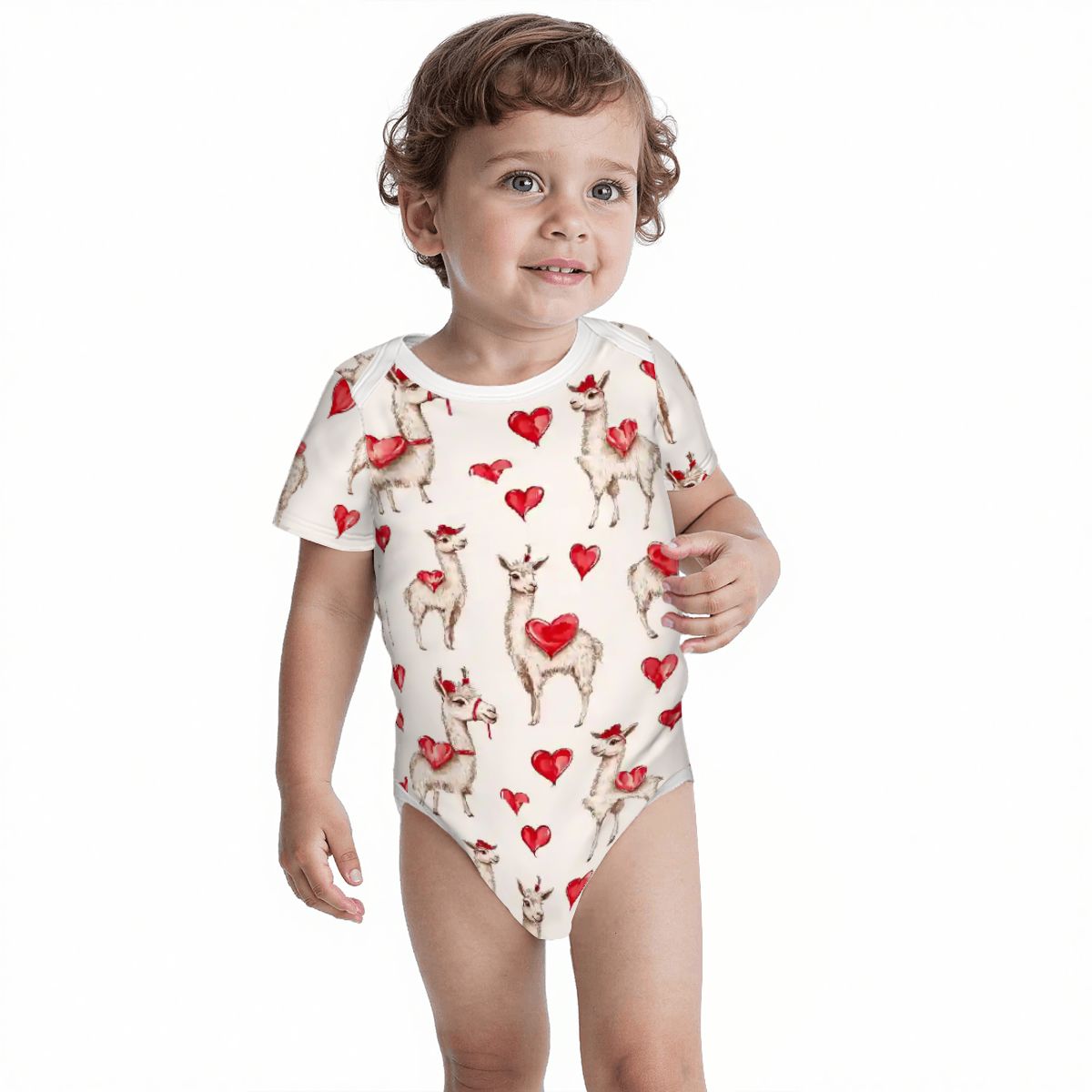
- Kids' Clothing – Anything personalized for grandparents to buy: "Grandma's Little Monster" onesies or sibling matching sets with birth years.
- Socks & Shorts – Fun patterns shine here. Crazy cat lady ankle socks, gym shorts with motivational back prints, or vintage-style athletic designs for casual wear.
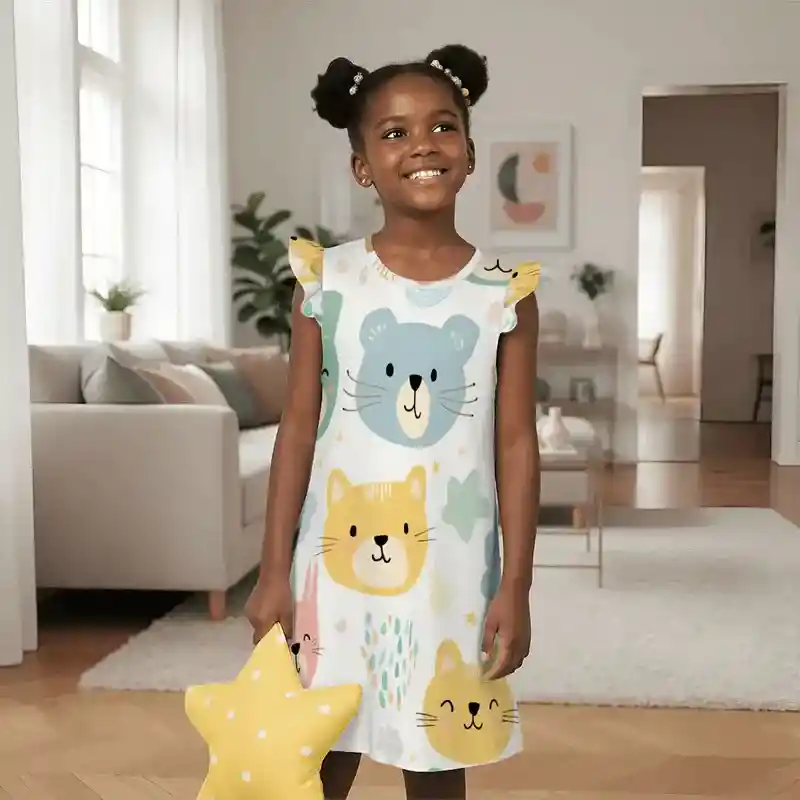
Custom Printed on Demand Girl's Flutter Sleeve Nightgown - Kids' Clothing - PrintKK
Tips for More Sales on Print on Demand Business
1. Nail a Tight Niche
The biggest mistake new sellers make is going too broad with "funny quotes" or generic cats. Instead, drill down—think "Siberian Husky chaos memes," "ICU nurse survival humor," or "90s Tamagotchi nostalgia."
These micro-niches have passionate buyers who search specific phrases, share in dedicated groups, and buy multiple items because it finally feels made for them. One focused niche beats ten scattered ones every time.
2. Push Personalization Options
Customers love feeling unique and will happily pay extra for it. Offer uploads for pet photos turned into cartoon portraits, add custom names and dates to family mugs, or let buyers pick colors and text styles.
Shops with live preview tools convert much higher because people see exactly what they'll get. Start small with one product, then expand—it turns one-time buyers into repeat gift shoppers.
3. Keep Designs Clean and Bold
Busy, cluttered designs get scrolled past fast. The winners right now use one strong focal point: a single oversized phrase on a hoodie, a clean vintage graphic on a poster, or a minimalist pet silhouette with subtle text.
Use high-contrast colors that pop, avoid tiny details that disappear when printed, and always check how it looks small in thumbnails. Simple designs sell longer and print better.
4. Upgrade Your Mockups and Listings
Default provider mockups look cheap and identical to everyone else's. Invest time in lifestyle shots: hoodie on a hike, mug on a cozy desk, tote at a market.
Add 7–10 images, including close-ups, different angles, and short videos. Include size charts and fabric details. Better visuals build trust, reduce returns, and boost conversions noticeably within days.
5. Drive Traffic That Converts
Organic traffic takes time, so combine smart platforms with quick wins. Optimize Etsy or Shopify titles and tags with exact buyer searches like "funny dachshund mom sweatshirt oversized."
Post daily on TikTok and Pinterest showing real use—unboxings, styling ideas, customer tags. Run small $5–15/day ads on proven designs. Bundle top sellers (tee + matching mug 15% off) to raise order value. Consistent small actions compound into steady sales fast.
Read More:
- How Does Print-on-Demand Work with Etsy [Unlock New Revenue]
- 10+ Print on Demand Success Stories to Inspire Your Business
Make a Successful Print on Demand Business with PrintKK
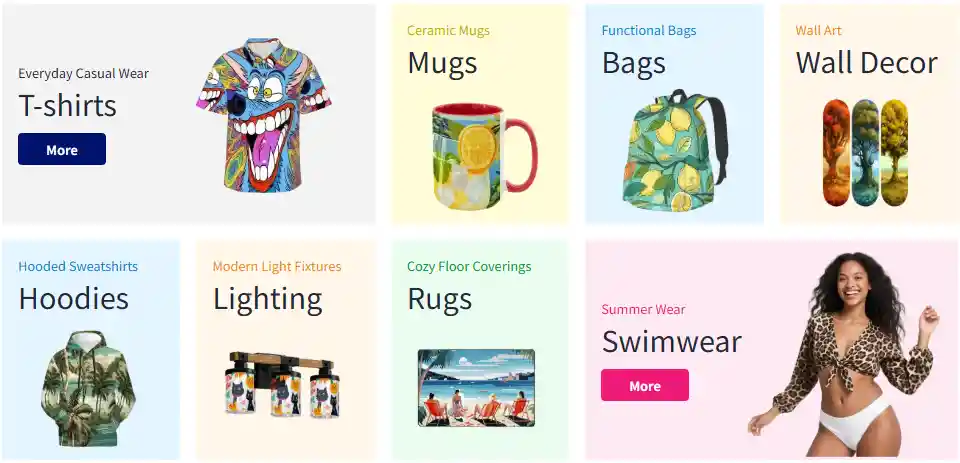
Getting started with PrintKK is super easy. You can design your products online and place your orders in just a few clicks.
Once your design is ready, you can connect PrintKK with platforms like Etsy or Shopify. This allows you to manage your orders seamlessly, and even buy in bulk at discounted prices.
Using PrintKK gives you some clear advantages:
- No tax fees on products shipped to the US
- High-quality items at low prices
- Perfect for gifts to customers or employees
PrintKK offers a wide range of products to help your business stand out:
With PrintKK, you don't need to worry about complicated shipping or high costs. You can focus on creating designs and growing your store, while we take care of the rest. It's an easy, cost-effective way to start a successful print-on-demand business in 2026.
Print on Demand Business Success Stories
Learning from successful influencer merchandise ventures can provide valuable insights and inspiration for your own merchandise strategy. Some notable examples include
Cat Coquillette (@catcoq)
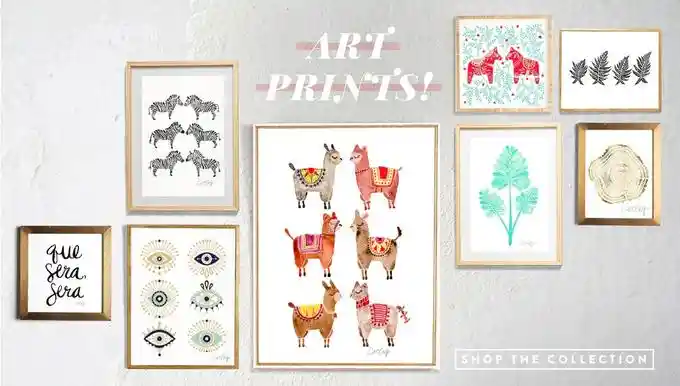
Cat Coquillette is a talented artist, illustrator, and designer with a strong following on Instagram. She specializes in watercolor art and modern designs, often incorporating elements of nature, animals, and inspirational quotes. Cat has successfully leveraged her artistic skills to create a variety of print-on-demand products, including art prints, phone cases, apparel, and home decor items. She sells these items through her online store and also collaborates with platforms like Society6 and Redbubble.
Success factors:
- Unique, high-quality artwork that appeals to a broad audience
- Consistent branding and cohesive design aesthetic
- Collaboration with popular print-on-demand platforms for increased exposure
Rongrong DeVoe (@rongrong_devoe_illustration)
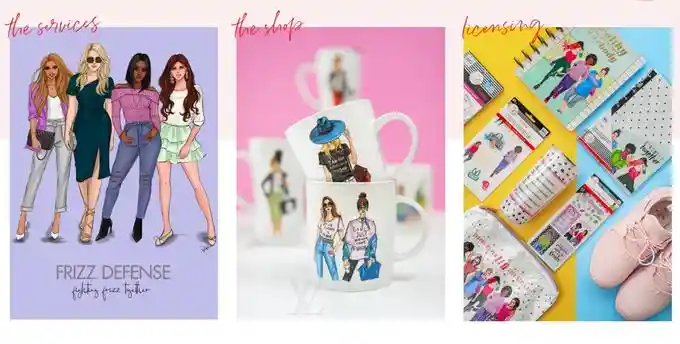
Rongrong DeVoe is a fashion illustrator and KOL who shares her vibrant, stylish artwork with her Instagram followers. Her illustrations often feature fashionable women and chic lifestyle elements, and she has built a successful online store by offering print-on-demand products featuring her illustrations. Rongrong's product line includes art prints, apparel, phone cases, and stationery, among other items.
Success factors:
- Focus on the style of fashion trends and create unique illustrations with female elements.
- Showcases print-on-demand merchandise made from various artworks she creates.
- Active engagement with her audience on Instagram and other social media platforms
Continuously adjusting one's strategy and design, listening to feedback from customers, even small businesses can achieve great success.
Expert Tips
tarting a POD business in 2026 is easier than ever with low costs and great tools. Pick a niche you like, make simple bold designs, and focus on what your customers want.
Add personalization to stand out. Market steadily on social media and optimize your listings. Keep testing and improving. Stay consistent, and sales will grow. Enjoy the process—you're building something fun and flexible that can turn into real income. Keep going, and you'll see good results soon.
FAQs
Is print-on-demand a profitable business?
Yes, many sellers earn good money in 2026 with 20-50% margins on items like hoodies. The market grows fast at over 25% yearly. Success needs strong niches and steady marketing effort.
Can I start a print-on-demand business with no money?
Yes, it's easy to begin for free. Use platforms like PrintKK or Printful that charge only after sales. Design with free tools like Canva and list on Etsy or basic stores without upfront costs.
What is the future of print on demand business?
The future looks strong with quick growth ahead. Trends include more personalization, AI designs, eco-friendly items, and home decor sales. Asia regions expand fast, rewarding creative sellers.
Is dropshipping more profitable than print-on-demand?
Not always one wins. Dropshipping can give faster short-term gains but faces quality issues. POD builds brands better with unique items, leading to loyal buyers and steady long-term profits.
How do I stand out in a sea of POD shops?
Focus on small specific niches like pet breeds or job humor. Offer easy custom options with names or photos. Use clean bold designs and real-life mockups to build quick trust.

 Global Shipping
 Made in USA
 Free shipping